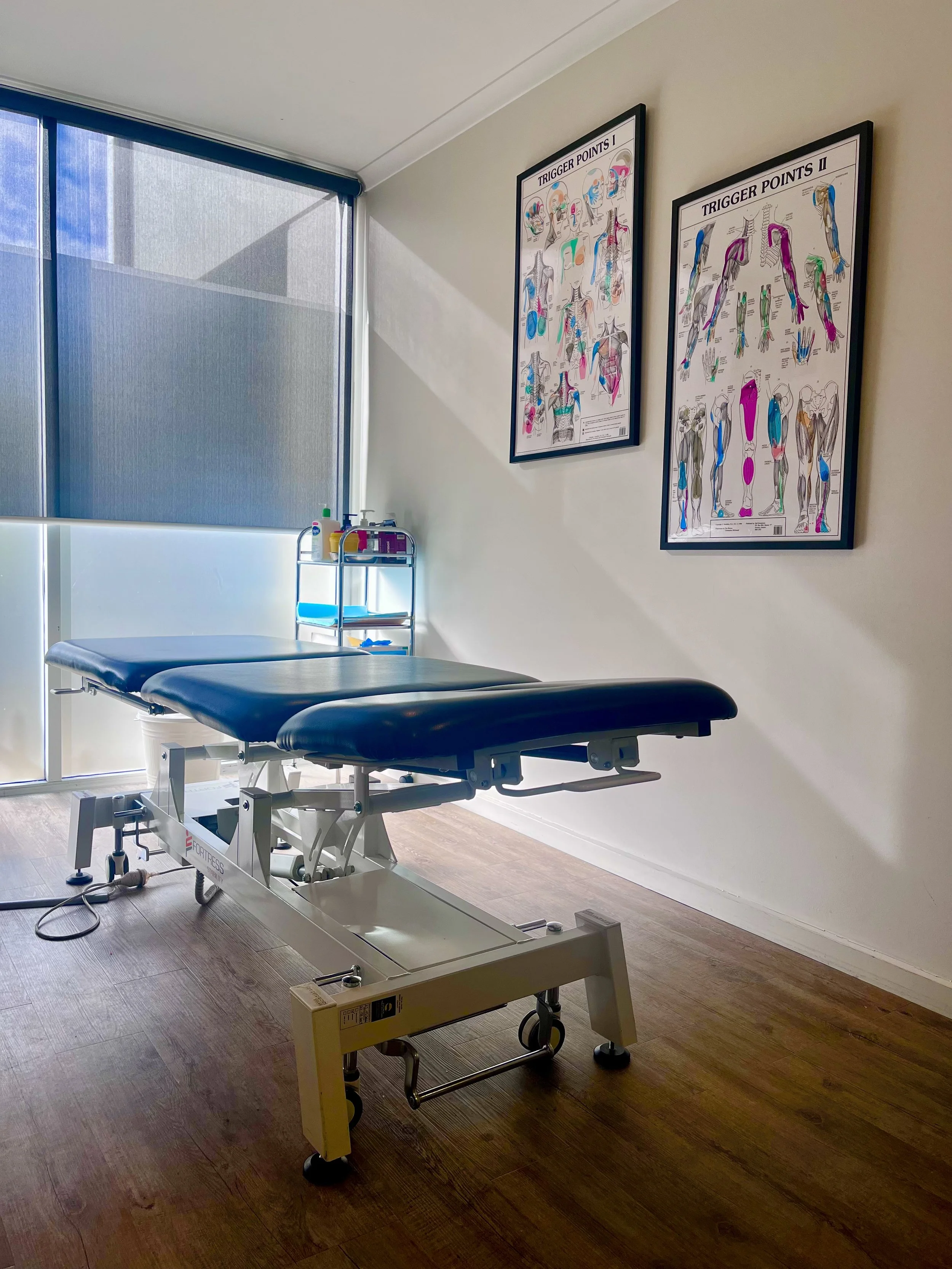
Movement Assessment and Rehabilitation Adelaide
The body compensates long before it complains
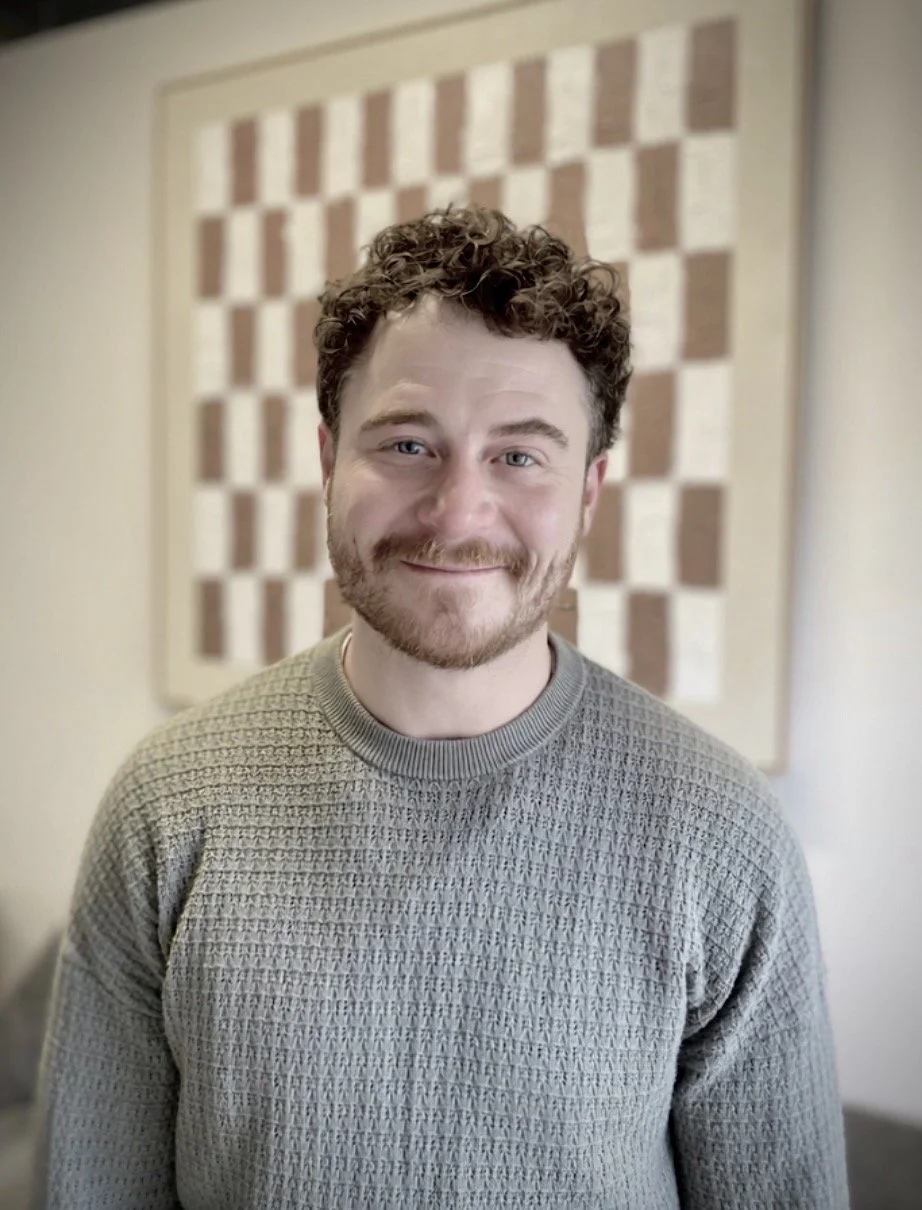
Introducing Jo the Physio
Physiotherapist, runner, climber, violinist.
Bachelor of Physiotherapy, Diploma of Remedial Massage
I grew up around bodies. My mother taught clinical Pilates, Iyengar yoga, instructed kettlebell classes and was herself a remedial massage therapist, so movement was simply the language spoken in our house. The rest of my childhood was spent with camels, my family’s love of them taking us across Australia and abroad. A lot of animals, a lot of country, not much sitting still.
Running underneath all of it was the violin. Six hours a day, orchestras around the country, and the kind of discipline that only comes from doing something difficult every day for over a decade. I still play. It taught me what deliberate practice actually costs.
My own movement has been broad rather than specialised. Horses, camel races, motorbikes, climbing, gym, snowboarding, cycling, running, and these days tennis, pickleball and long distance events with my partner.
I started in remedial massage straight out of school and moved into physiotherapy after that. With now over ten years working with bodies, including managing allied health teams, I’ve been fortunate to see a wide range of presentations and learned how a body changes across a lifetime.
I generalise in how I view the body, because it works as one integrated system. I never generalise in how I assess the body and I place good assessment above all.
In practice that means most my sessions are spent working out what is actually going on. The problem rarely originates where it hurts, and finding the real driver takes time and a proper look. I ensure clients know what I found, learn what it means, and have strategies on what to do next.
As I did with the violin, even after reaching a level I was proud of, today I am still in weekly clinical mentorship and spend a good deal of it being told I am wrong. For years I was hands first and assessment second. Having my preconceptions challenged has been humbling and I am grateful for it every day. Ultimately, I would rather be known as a clinician who remains committed to learning and changing his mind than one who settled early.
Every body I see is a puzzle I have not solved before. That is still the part of the job I enjoy the most.
My guiding principles
- Asking Why
The body is naturally adaptive. When an area loses range, coordination or strength, the work it was doing does not disappear. It moves.
Somewhere else picks up the slack, and keeps picking it up, thousands of times a day, until it becomes pain, stiffness, soreness, fatigue, or perhaps a movement that used to be automatic and now takes thought.
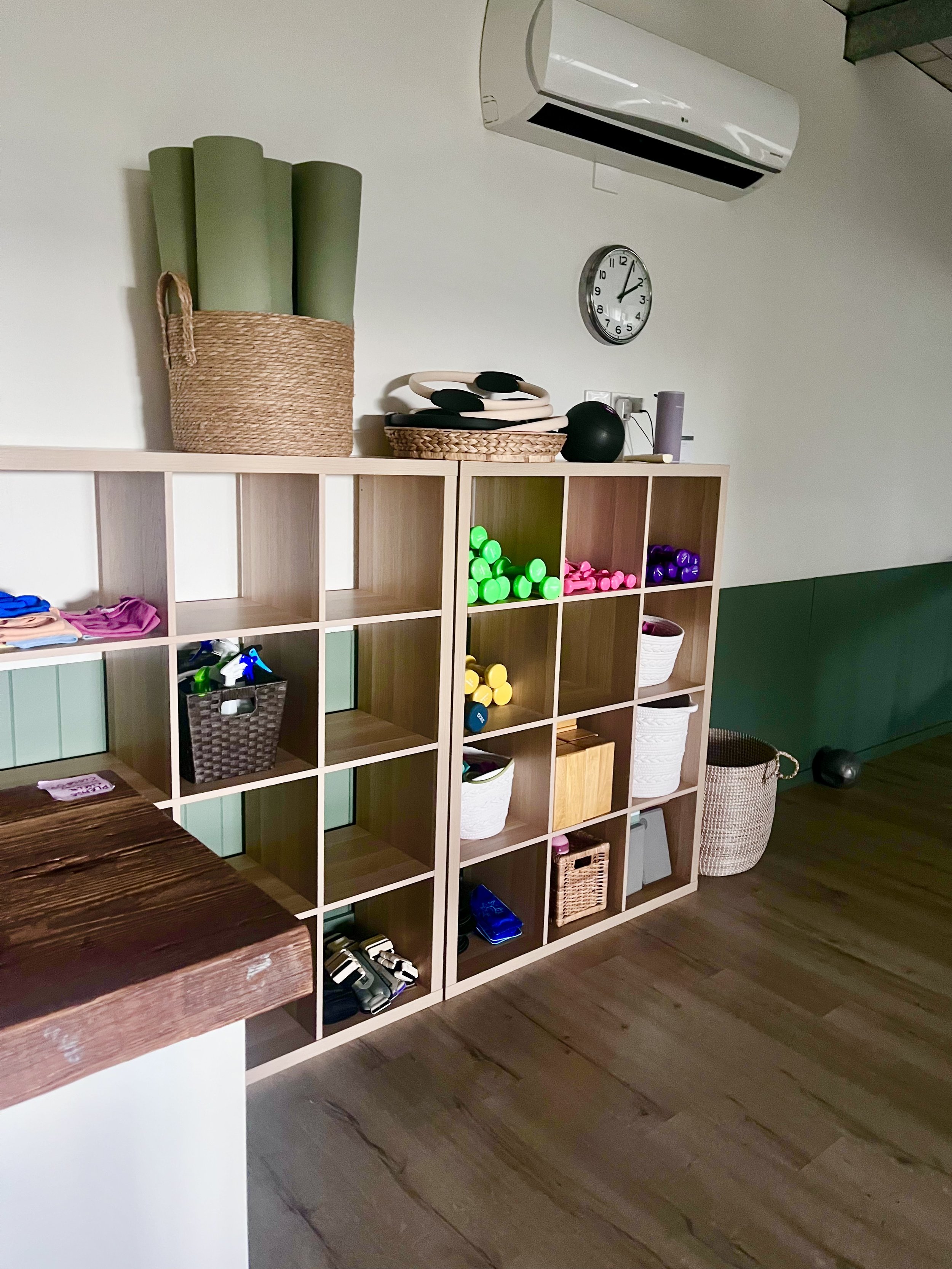
My examination is deliberately structured. Region by region, side against side, small findings and the pattern they add up to.
What emerges is a map of where you move freely and where you do not. Usually more revealing than the complaint that brought you in.
- Working out Why
Good rehab works itself out of a job.
The point is to change something, confirm it has changed, and hand you back a body that does not need managing.
Manual therapy and dry needling are important tools for restoring movement to an area, however, bringing back coordination and strength is a far more satisfying journey to unlimited possibilities.
- Changing Why
Less pain is the beginning, not the point.
A neck that moves like a neck should. Breathing that costs nothing. Feet that read the ground. A body primed and ready to meet the demands asked of it.
Most people arrive having quietly decided something is over. Running, lifting, a sport, a way of moving they once took for granted. Often it is not over. It has only been unavailable.
If I am seeing you, something has likely gone wrong. When it has gone right, the only news I hope to receive is all the awesome things you’ve been doing with your body!
- No More Why. Just Move!
Get in Touch